
PHP | JavaScript | Project Deployment
In today’s digital world, web development is one of the most in-demand skills. Whether you are a beginner just starting your coding journey or an experienced programmer aiming to strengthen your skills, understanding PHP and JavaScript for web development is crucial. These technologies form the backbone of most dynamic websites and web applications. This blog will guide you through full-stack coding, from basic concepts to project deployment, in simple, easy-to-understand language.
What is Full-Stack Development?
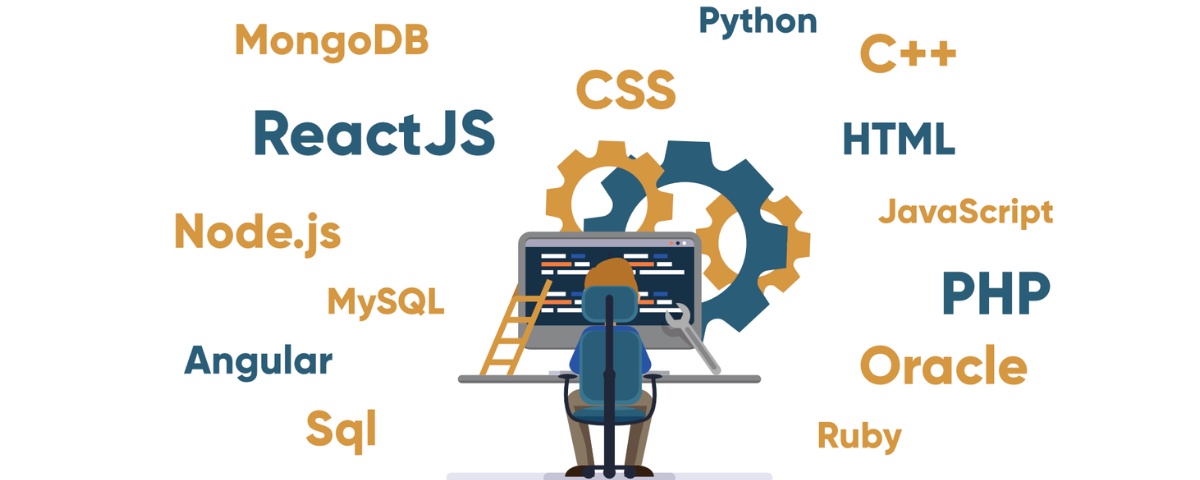
Full-stack development means working on both the front-end and back-end of a website.
-
Front-end: This is what users see and interact with on a website. It includes design, layout, and interactive elements. Technologies like HTML, CSS and JavaScript are used here.
-
Back-end: This is the server-side of a website that handles databases, user authentication, and application logic. PHP is widely used for back-end development because it is simple, fast, and compatible with most servers.
By learning full-stack development, you gain the ability to create a complete web application, from designing pages to handling complex server-side operations.
Why Learn PHP for Web Development?
PHP (Hypertext Preprocessor) is a popular server-side scripting language. It is used by millions of websites, including Facebook and WordPress. Here are some reasons to learn PHP:
-
Ease of Learning: PHP is beginner-friendly. Even if you are new to coding, you can quickly understand its syntax and start building dynamic websites.
-
Integration with Databases: PHP works seamlessly with databases like MySQL, which allows you to store and manage data efficiently.
-
Large Community Support: PHP has a massive global community, which means you can easily find tutorials, guides, and forums for help.
-
Scalable for Projects: From small blogs to large e-commerce websites, PHP supports projects of any size.
Why JavaScript is Important for Web Development
While PHP handles server-side tasks, JavaScript powers the front-end and makes websites interactive. Here’s why JavaScript is essential:
-
Dynamic User Experience: JavaScript allows you to create animations, form validations, and interactive elements that improve user experience.
-
Front-End Frameworks: Popular frameworks like React, Angular, and Vue.js rely on JavaScript, making it a valuable skill for modern web development.
-
Full-Stack Potential: With Node.js, JavaScript can also run on the server-side, meaning you can use a single language for both front-end and back-end development.
-
High Demand: JavaScript is one of the most requested skills in the job market, making it a strong career choice.
Steps to Learn Full-Stack Web Development
Learning full-stack development can seem overwhelming at first, but breaking it into steps makes it manageable:
1. Learn HTML and CSS
HTML (Hypertext Markup Language) is used to structure web pages, and CSS (Cascading Style Sheets) adds style. Mastering these is the first step toward becoming a web developer.
-
Focus on creating layouts, navigation menus, and responsive designs.
-
Experiment with CSS frameworks like Bootstrap for faster development.
2. Learn JavaScript
Start with core JavaScript concepts like:
-
Variables and data types
-
Functions and loops
-
DOM manipulation
-
Event handling
Once comfortable, move on to frameworks like React.js to create modern web applications.
3. Learn PHP and MySQL
PHP is used for server-side programming, while MySQL stores website data. Learn to:
-
Create and manage databases
-
Write PHP scripts to handle forms
-
Perform CRUD operations (Create, Read, Update, Delete)
-
Connect PHP with HTML for dynamic content
4. Build Small Projects
Apply your skills with practical projects like:
-
Personal blogs
-
Portfolio websites
-
To-do list apps
-
E-commerce stores
These projects will help you understand the flow of data between front-end and back-end.
5. Learn Deployment
Once your project is ready, it’s important to make it live on the internet. Deployment involves:
-
Choosing a hosting provider
-
Setting up databases
-
Configuring the server
Understanding deployment ensures your projects are accessible to users worldwide.
Best Practices in Full-Stack Development
Following best practices is crucial to becoming a professional developer:
-
Write Clean Code: Make your code readable and maintainable.
-
Use Version Control: Tools like Git help you track changes and collaborate with others.
-
Keep Learning: Web development trends evolve quickly, so stay updated with new technologies.
-
Focus on Security: Protect your applications from threats like SQL injections and cross-site scripting.
Career Opportunities in PHP and JavaScript Development
Learning full-stack development opens multiple career paths:
-
Front-End Developer: Focus on JavaScript, HTML, CSSa nd UI/UX design.
-
Back-End Developer: Specialize in PHP, databases, and server-side logic.
-
Full-Stack Developer: Handle both front-end and back-end tasks.
-
Freelancer: Build websites and web apps for clients globally.
With continuous practice, a beginner can become an expert and land jobs in startups, IT companies, or even start their own web development business.
Conclusion
Mastering PHP and JavaScript for web development is a powerful way to kickstart your career in tech. By learning both front-end and back-end technologies, you gain the skills needed to build, manage, and deploy web applications effectively. Start small, build projects, and gradually take on complex applications. Remember, consistent practice and real-world projects are key to becoming a successful full-stack developer.
If you are eager to learn, there are numerous online tutorials, coding bootcamps, and communities to help you grow from a beginner to an expert in full-stack web development.